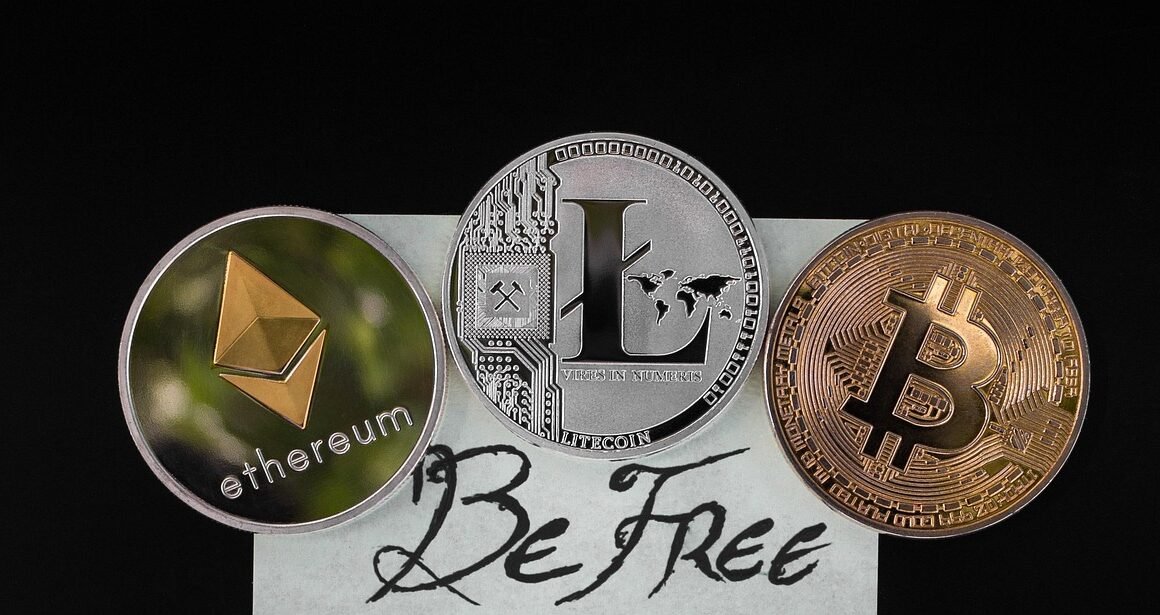
Layer-1 blockchains like Bitcoin and Ethereum have laid the foundation for decentralized applications and digital assets. However, their inherent limitations in transaction speed and cost often hinder widespread adoption. Enter Layer-2 solutions, innovative technologies designed to scale blockchain capabilities without compromising security or decentralization. In this comprehensive guide, we’ll delve into the world of Layer-2 solutions, exploring their various types, benefits, and real-world applications.
Understanding Layer-2 Scaling Solutions
What are Layer-2 Solutions?
Layer-2 solutions are protocols built on top of an existing Layer-1 blockchain (like Ethereum) to improve transaction throughput and reduce costs. They achieve this by processing transactions off-chain, meaning outside the main blockchain, and then periodically settling them back on the main chain. This offloads the computational burden from the Layer-1, allowing it to focus on security and data availability.
The Need for Layer-2
The original blockchain architecture, while secure and decentralized, faces scalability challenges. As the number of users and transactions increases, blockchains can become congested, leading to:
- Slow Transaction Speeds: Transactions take longer to confirm.
- High Transaction Fees: Users have to pay more to have their transactions processed.
- Poor User Experience: The network becomes less user-friendly due to delays and costs.
Layer-2 solutions address these issues by providing a faster and cheaper alternative for transaction processing.
Key Benefits of Layer-2
Implementing Layer-2 solutions brings a multitude of advantages:
- Increased Throughput: Significantly higher transaction processing capacity compared to Layer-1.
- Reduced Transaction Fees: Lower costs for users, making blockchain more accessible.
- Improved Scalability: Handles a larger volume of transactions without compromising performance.
- Enhanced User Experience: Faster confirmation times and lower fees create a smoother user experience.
- Maintained Security: Leverages the security of the underlying Layer-1 blockchain.
Types of Layer-2 Solutions
State Channels
State channels involve creating a direct communication channel between two or more participants. They can transact off-chain without broadcasting every transaction to the main blockchain. Only the opening and closing states of the channel are recorded on-chain.
- How they work: Participants lock funds into a multi-signature contract on the Layer-1. They then exchange signed transactions off-chain, updating the state of the channel. Once they are done, they close the channel, and the final state is recorded on the main chain.
- Examples: Lightning Network (Bitcoin), Raiden Network (Ethereum)
- Benefits:
High transaction speed
Low fees
Suitable for frequent transactions between a limited number of participants
- Limitations:
Requires participants to be online and cooperative
Limited to specific types of transactions
Rollups
Rollups bundle multiple transactions into a single batch and submit them to the Layer-1 blockchain as a single transaction. This significantly reduces the load on the main chain while maintaining its security.
#### Optimistic Rollups
- How they work: Transactions are assumed to be valid unless proven otherwise. If a dispute arises, a fraud-proof mechanism is used to resolve the issue on the Layer-1.
- Benefits:
High scalability
EVM compatibility (for Ethereum)
Relatively simple to implement
- Limitations:
Longer withdrawal times due to the challenge period (typically 7 days)
Vulnerable to fraud if not monitored correctly
#### Zero-Knowledge (ZK) Rollups
- How they work: Uses zero-knowledge proofs to validate transactions off-chain. A validity proof, rather than transaction data, is submitted to the Layer-1, verifying that the transactions are valid without revealing the details.
- Benefits:
Very high scalability
Faster withdrawal times
Stronger security guarantees
- Limitations:
More complex to implement
Less EVM compatibility compared to Optimistic Rollups (although this is improving)
- Examples: StarkNet, zkSync, Polygon Hermez (acquired by Polygon)
Sidechains
Sidechains are independent blockchains that run parallel to the main chain. They have their own consensus mechanisms and block parameters but are interoperable with the Layer-1 through a two-way peg.
- How they work: Assets are transferred from the main chain to the sidechain using a bridge. Users can then transact freely on the sidechain, and assets can be transferred back to the main chain when needed.
- Benefits:
High scalability
Customizable consensus mechanisms
Can support different types of applications
- Limitations:
Relies on its own security model, which may be less secure than the Layer-1
Bridge vulnerabilities can lead to loss of funds
- Examples: Polygon PoS, Skale
Validium
Validium is similar to ZK-Rollups in that it uses validity proofs to ensure transaction validity. However, unlike ZK-Rollups, the transaction data is not stored on the Layer-1 chain. Instead, it is stored off-chain, typically with a committee of validators.
- Benefits: High scalability and low cost.
- Limitations: Relies on the availability of data from the validators, which introduces a trust assumption.
Choosing the Right Layer-2 Solution
Selecting the most appropriate Layer-2 solution depends on the specific use case and requirements.
Factors to Consider
- Security: How secure is the solution? Does it rely on the Layer-1’s security or have its own security assumptions?
- Scalability: How much does it improve transaction throughput?
- Cost: How much does it reduce transaction fees?
- EVM Compatibility: Does it support Ethereum Virtual Machine (EVM) compatibility? This is crucial for deploying existing Ethereum dApps.
- Decentralization: How decentralized is the solution? Does it rely on a central operator or a distributed network?
- Development Effort: How difficult is it to integrate with the solution?
- Withdrawal Times: How long does it take to withdraw funds back to the Layer-1?
Examples of Use Cases
- DeFi Applications: ZK-Rollups and Optimistic Rollups can significantly improve the scalability of decentralized finance (DeFi) applications, making them more accessible and affordable.
- Payments: State channels are well-suited for micropayments and frequent transactions between users, such as in gaming or streaming services.
- NFT Marketplaces: Layer-2 solutions can reduce the cost of minting and trading non-fungible tokens (NFTs), enabling broader participation.
- Gaming: Sidechains can provide the necessary scalability and customization for complex blockchain games.
Real-World Examples and Implementations
Many projects are actively using and developing Layer-2 solutions.
- Arbitrum: An Optimistic Rollup solution aiming for full EVM compatibility.
- Optimism: Another Optimistic Rollup focusing on simplifying the development process.
- zkSync: A ZK-Rollup providing scalable and low-cost transactions.
- Polygon: A multi-chain solution, including a Proof-of-Stake (PoS) sidechain and ZK-Rollup solutions like Polygon Hermez.
- Immutable X: A ZK-Rollup specifically designed for NFTs.
These projects demonstrate the growing adoption and potential of Layer-2 solutions to address the scalability challenges of blockchain technology. As the ecosystem matures, we can expect to see even more innovative solutions emerge.
Conclusion
Layer-2 scaling solutions represent a crucial step towards achieving mainstream adoption of blockchain technology. By addressing the limitations of Layer-1 blockchains in terms of transaction speed and cost, these solutions pave the way for a more scalable, efficient, and user-friendly blockchain ecosystem. Whether it’s through state channels, rollups, sidechains, or other innovative approaches, Layer-2 technologies are poised to transform the way we interact with decentralized applications and digital assets. Understanding the different types of Layer-2 solutions and their respective trade-offs is essential for developers, users, and anyone looking to participate in the future of blockchain. As the technology continues to evolve, staying informed about the latest advancements in Layer-2 scaling will be key to unlocking the full potential of decentralized systems.