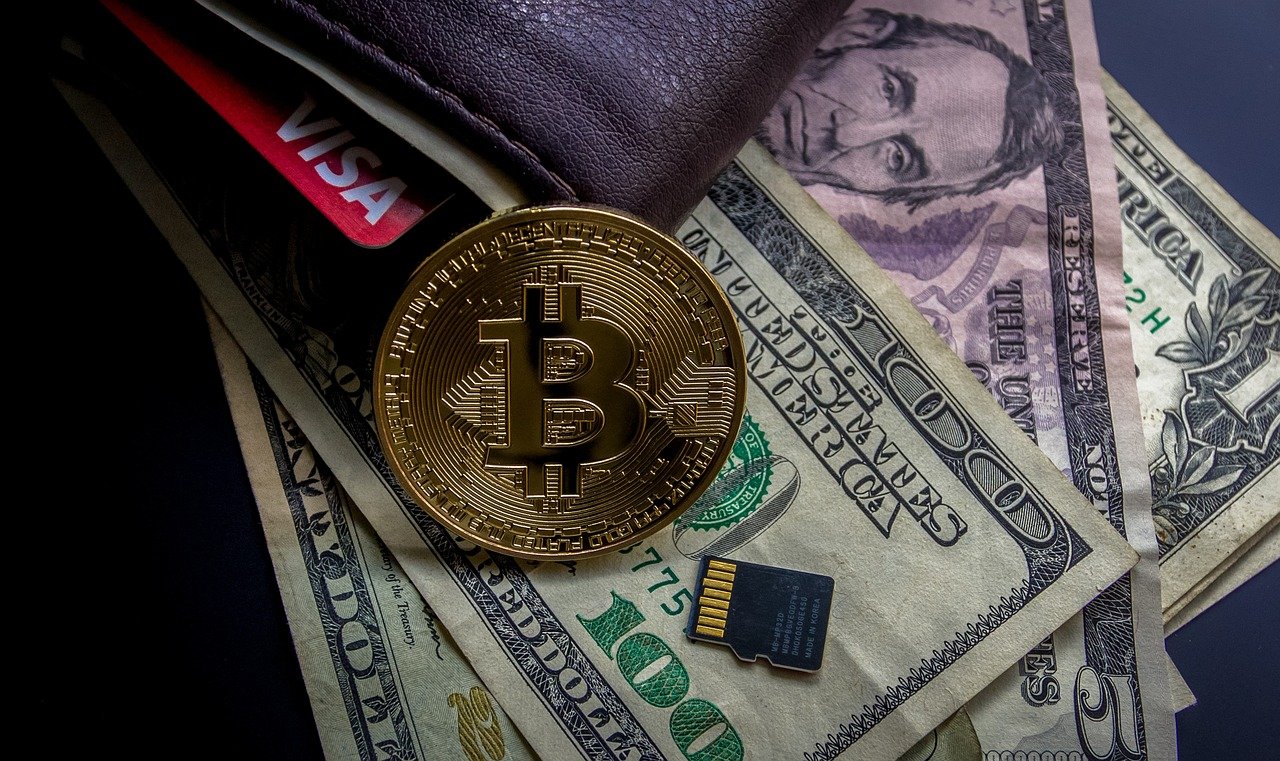
Navigating the world of cryptocurrency can feel like entering a new dimension, especially when it comes to converting your traditional money, also known as fiat currency, into digital assets. This process, known as using a “fiat onramp,” is the crucial gateway to buying, selling, and trading cryptocurrencies. Understanding the nuances of fiat onramps is essential for anyone venturing into the crypto space, from casual investors to seasoned traders. This guide will provide you with a comprehensive overview of fiat onramps, their various forms, and how to use them effectively.
What are Fiat Onramps?
Definition and Importance
Fiat onramps are platforms or services that allow users to convert traditional currencies, like USD, EUR, or GBP, into cryptocurrencies. Think of them as the entry points to the crypto economy. Without them, participating in the digital asset market would be incredibly difficult for most people.
- Importance:
Provide accessibility for the general public to enter the crypto market.
Facilitate the exchange between traditional financial systems and the crypto ecosystem.
Enable buying, selling, and trading of cryptocurrencies with ease.
Contribute to the overall liquidity and growth of the crypto market.
Common Types of Fiat Onramps
Fiat onramps come in various forms, each with its own pros and cons:
- Centralized Exchanges (CEXs): Platforms like Coinbase, Binance, and Kraken are some of the most popular onramps. They offer a user-friendly interface and a wide range of cryptocurrencies.
- Decentralized Exchanges (DEXs) with Fiat Integration: Some DEXs are starting to incorporate fiat onramps through partnerships or integrations. These offer more privacy but can be more complex to use.
- Payment Processors: Companies like Simplex, MoonPay, and Transak specialize in providing fiat-to-crypto onramp solutions for wallets and other platforms.
- P2P Platforms: Platforms like LocalBitcoins and Paxful allow users to buy and sell crypto directly from each other, offering more flexibility in payment methods.
- Crypto ATMs: While less common and often with higher fees, crypto ATMs allow you to buy crypto using cash or debit cards.
How to Choose the Right Fiat Onramp
Factors to Consider
Selecting the right fiat onramp depends on your individual needs and preferences. Here are some key factors to consider:
- Fees: Compare the transaction fees, deposit fees, and withdrawal fees across different platforms.
- Supported Currencies and Cryptocurrencies: Ensure the platform supports your local currency and the cryptocurrencies you want to buy.
- Payment Methods: Check if the platform accepts your preferred payment methods, such as bank transfers, credit/debit cards, or e-wallets.
- Security: Look for platforms with robust security measures, such as two-factor authentication (2FA), cold storage of funds, and insurance coverage.
- User Interface: Choose a platform with a user-friendly interface that is easy to navigate, especially if you are a beginner.
- KYC Requirements: Be aware of the Know Your Customer (KYC) requirements, which may involve providing personal information and identity verification documents.
- Geographic Availability: Check if the platform is available in your country or region.
Example: Comparing Coinbase and Binance
Let’s compare two popular CEXs, Coinbase and Binance:
| Feature | Coinbase | Binance |
| —————- | —————————————- | —————————————– |
| Fees | Higher fees, especially for instant buys | Lower fees, especially with BNB discounts |
| Currencies | Limited selection of cryptocurrencies | Wider selection of cryptocurrencies |
| Payment Methods | Bank transfers, debit cards | Bank transfers, credit/debit cards, P2P |
| Security | Strong security measures | Strong security measures |
| User Interface | Beginner-friendly | More complex, caters to advanced traders |
| KYC Requirements | Stricter KYC requirements | KYC requirements vary by region |
Coinbase might be a better choice for beginners due to its user-friendly interface, while Binance offers more options and lower fees for experienced traders.
Common Fiat Onramp Payment Methods
Bank Transfers
Bank transfers are a popular and often cost-effective way to deposit fiat currency onto a crypto exchange.
- Pros:
Generally lower fees compared to credit/debit cards.
Higher transaction limits.
- Cons:
Slower processing times (1-5 business days).
May require additional verification.
- Example: Using SEPA transfers in Europe to deposit EUR onto a crypto exchange.
Credit and Debit Cards
Credit and debit cards offer a convenient and instant way to buy crypto.
- Pros:
Fast processing times (instant).
Easy to use.
- Cons:
Higher fees compared to bank transfers.
Lower transaction limits.
May be subject to card issuer restrictions.
- Example: Using a Visa or Mastercard to instantly purchase Bitcoin on Coinbase.
E-Wallets
Some crypto exchanges support deposits and withdrawals through e-wallets like PayPal, Skrill, or Neteller.
- Pros:
Convenient and familiar for many users.
Relatively fast processing times.
- Cons:
May have higher fees compared to bank transfers.
Limited availability on some platforms.
- Example: Using PayPal to buy Bitcoin on a platform that supports it.
Security Considerations when Using Fiat Onramps
Protecting Your Funds and Information
Security is paramount when dealing with fiat onramps. Here are some essential tips to protect yourself:
- Choose Reputable Platforms: Stick to well-known and reputable exchanges with a proven track record of security.
- Enable Two-Factor Authentication (2FA): This adds an extra layer of security to your account.
- Use Strong Passwords: Create unique and complex passwords for each platform.
- Beware of Phishing Scams: Be cautious of suspicious emails or websites that may try to steal your credentials.
- Use a Hardware Wallet: For long-term storage of your crypto, consider using a hardware wallet to keep your private keys offline.
- Research the Platform’s Security Measures: Look into the platform’s security protocols, such as cold storage of funds, insurance coverage, and regular security audits.
Understanding KYC and AML
KYC (Know Your Customer) and AML (Anti-Money Laundering) regulations are designed to prevent fraud and illegal activities in the crypto space.
- KYC: Requires users to provide personal information and identity verification documents.
- AML: Involves monitoring transactions and reporting suspicious activity.
- Why are they important?
Help prevent fraud and money laundering.
Protect users from scams and illicit activities.
Ensure compliance with regulatory requirements.
While some users may be hesitant to provide personal information, KYC and AML regulations are essential for maintaining the integrity and security of the crypto ecosystem.
Conclusion
Navigating fiat onramps effectively is a foundational step for anyone participating in the cryptocurrency market. By understanding the different types of onramps available, considering factors like fees, security, and payment methods, and prioritizing security best practices, you can confidently and safely convert your fiat currency into digital assets. Remember to stay informed about the evolving landscape of crypto regulations and choose platforms that prioritize user security and compliance. With careful consideration and due diligence, you can seamlessly integrate into the world of cryptocurrency and leverage the opportunities it offers.