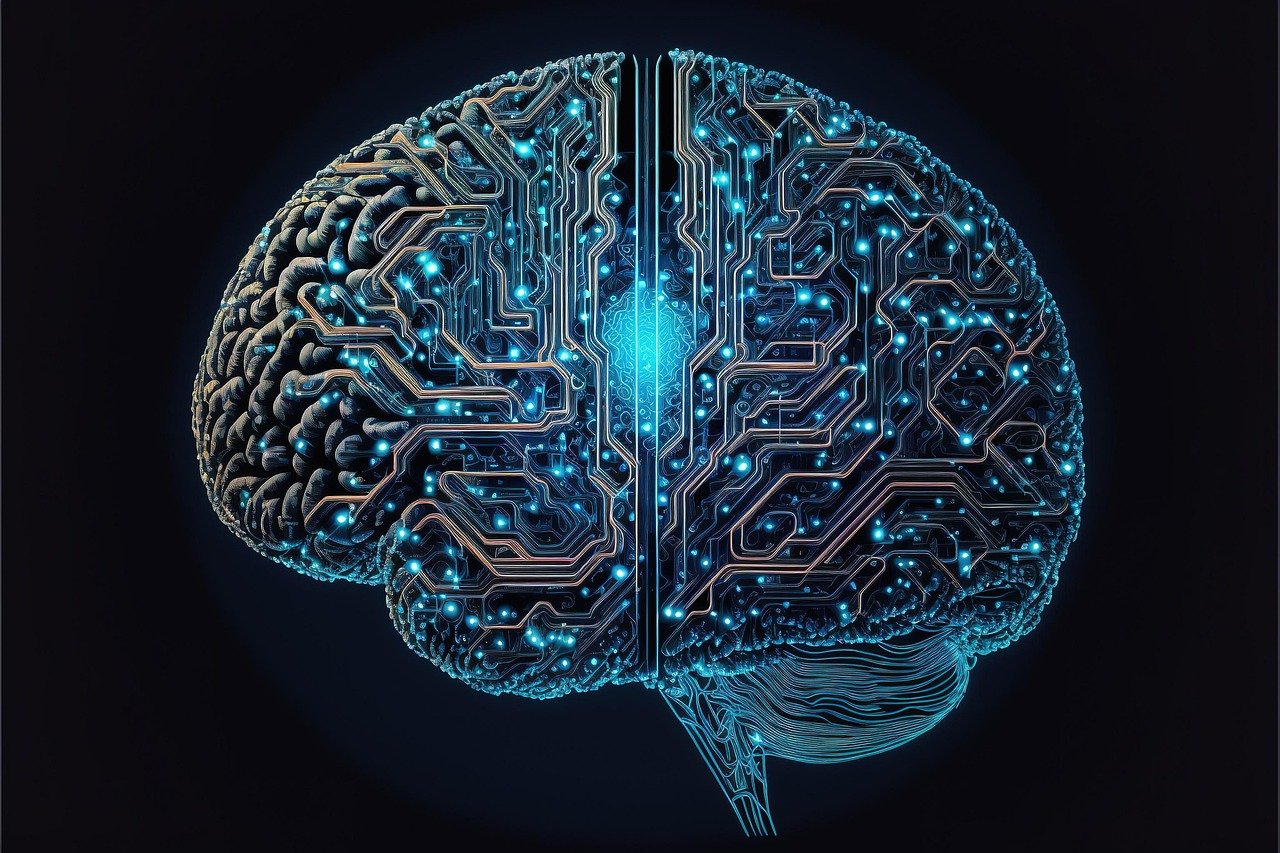
AI-driven insights are rapidly transforming the way businesses operate, offering unparalleled opportunities to understand data, predict trends, and make more informed decisions. No longer a futuristic concept, AI is now a practical tool that can provide a significant competitive advantage across various industries. This blog post delves into the power of AI-driven insights, exploring its applications, benefits, and how you can leverage it to drive business success.
Understanding AI-Driven Insights
What are AI-Driven Insights?
AI-driven insights refer to the actionable intelligence derived from analyzing large datasets using artificial intelligence technologies. These technologies, including machine learning, natural language processing (NLP), and deep learning, can automatically identify patterns, anomalies, and relationships that would be impossible for humans to detect manually.
- Definition: AI insights are data-backed findings powered by advanced AI algorithms.
- Process: The process involves data collection, preprocessing, model training, and insight generation.
- Output: The output is typically in the form of reports, visualizations, and recommendations.
The Role of AI Technologies
Several AI technologies play a crucial role in generating valuable insights:
- Machine Learning (ML): ML algorithms learn from data to make predictions or decisions without explicit programming. Examples include regression, classification, and clustering.
Practical Example: Predicting customer churn based on historical behavior data.
- Natural Language Processing (NLP): NLP enables machines to understand and process human language.
Practical Example: Sentiment analysis of customer reviews to gauge product satisfaction.
- Deep Learning: A subset of machine learning that uses artificial neural networks with multiple layers to analyze data with intricate structures.
Practical Example: Image recognition for identifying defects in manufacturing processes.
- Computer Vision: Allows computers to “see” and interpret images, enabling tasks like object detection and facial recognition.
Practical Example: Analyzing traffic patterns to optimize transportation routes.
Benefits of AI-Driven Insights
Enhanced Decision-Making
AI-driven insights provide data-backed evidence that enables more informed and effective decision-making.
- Reduced Bias: AI algorithms can mitigate human biases by analyzing data objectively.
- Improved Accuracy: AI systems are capable of identifying trends and patterns with greater accuracy than humans.
- Faster Decisions: AI can process vast amounts of data quickly, enabling faster response times to market changes.
Increased Operational Efficiency
By automating tasks and optimizing processes, AI can significantly improve operational efficiency.
- Automation of Repetitive Tasks: AI can automate routine tasks, freeing up human employees to focus on higher-value activities.
- Process Optimization: AI can identify bottlenecks and inefficiencies in workflows, leading to improved processes.
Practical Example: Optimizing supply chain logistics to reduce costs and delivery times.
- Predictive Maintenance: AI can predict equipment failures, allowing for proactive maintenance and minimizing downtime.
Statistics: Predictive maintenance can reduce maintenance costs by up to 30% and downtime by up to 50% (source: Deloitte).
Personalized Customer Experiences
AI empowers businesses to understand their customers better and deliver personalized experiences.
- Customer Segmentation: AI can segment customers based on behavior, demographics, and preferences.
- Personalized Recommendations: AI algorithms can provide personalized product or service recommendations based on individual customer profiles.
Practical Example: E-commerce platforms using AI to suggest products based on browsing history and purchase patterns.
- Improved Customer Service: AI-powered chatbots can provide instant customer support and resolve issues quickly.
Applications of AI-Driven Insights Across Industries
Healthcare
AI is transforming healthcare by improving diagnostics, treatment planning, and patient care.
- Medical Imaging Analysis: AI can analyze medical images (e.g., X-rays, MRIs) to detect diseases early.
- Personalized Treatment Plans: AI can analyze patient data to develop personalized treatment plans.
- Drug Discovery: AI can accelerate the drug discovery process by identifying potential drug candidates.
Finance
AI is used in finance for fraud detection, risk management, and personalized financial advice.
- Fraud Detection: AI algorithms can detect fraudulent transactions in real-time.
- Risk Management: AI can assess and manage financial risks by analyzing market data.
- Algorithmic Trading: AI can execute trades automatically based on predefined strategies.
Practical Example: Using AI to analyze market trends and execute trades at optimal times.
Retail
AI enhances retail operations by optimizing inventory management, personalizing customer experiences, and improving supply chain efficiency.
- Inventory Optimization: AI can predict demand and optimize inventory levels to reduce waste and storage costs.
- Personalized Marketing: AI can deliver personalized marketing messages to individual customers based on their preferences.
- Supply Chain Optimization: AI can optimize supply chain logistics to reduce costs and delivery times.
Manufacturing
AI improves manufacturing processes by detecting defects, optimizing production schedules, and predicting equipment failures.
- Defect Detection: AI can identify defects in products using computer vision.
- Production Optimization: AI can optimize production schedules to maximize output and minimize waste.
- Predictive Maintenance: AI can predict equipment failures, allowing for proactive maintenance.
Implementing AI-Driven Insights
Define Clear Objectives
Before implementing AI, define clear business objectives and identify the specific problems you want to solve.
- Identify Pain Points: Determine the areas where AI can provide the most value.
- Set Measurable Goals: Establish specific, measurable, achievable, relevant, and time-bound (SMART) goals.
Choose the Right Technologies and Tools
Select the AI technologies and tools that are best suited to your specific needs and data.
- Consider Your Data: Assess the quality, quantity, and format of your data.
- Evaluate AI Platforms: Research and compare different AI platforms and tools.
Build or Acquire AI Expertise
Develop or acquire the necessary AI expertise to implement and manage AI solutions.
- Train Existing Staff: Provide training to existing employees to develop AI skills.
- Hire AI Experts: Hire data scientists, machine learning engineers, and AI specialists.
- Partner with AI Providers: Collaborate with external AI providers to leverage their expertise.
Ensure Data Privacy and Security
Implement robust data privacy and security measures to protect sensitive information.
- Comply with Regulations: Adhere to data privacy regulations, such as GDPR and CCPA.
- Implement Security Measures: Implement security measures to protect data from unauthorized access and breaches.
- Establish Data Governance Policies: Establish clear data governance policies to ensure responsible data usage.
Conclusion
AI-driven insights offer tremendous potential for businesses to gain a competitive edge by improving decision-making, increasing operational efficiency, and personalizing customer experiences. By understanding the key concepts, benefits, and applications of AI, and by carefully planning and implementing AI solutions, organizations can unlock the full potential of their data and drive significant business value. Embrace the power of AI-driven insights and transform your business for the future.