Crypto assets have exploded in popularity, moving from niche internet circles into mainstream finance. But navigating this digital landscape can feel overwhelming. This guide breaks down the complexities of crypto assets, providing a clear understanding of what they are, how they work, and how to engage with them responsibly. Whether you’re a curious beginner or looking to deepen your knowledge, this post offers a comprehensive overview of the world of crypto.
What are Crypto Assets?
Defining Crypto Assets
Crypto assets are digital representations of value that rely on cryptography for security and operate on a distributed ledger technology (DLT), most commonly a blockchain. Unlike traditional assets like stocks or bonds, crypto assets are often decentralized, meaning they’re not controlled by a single entity like a bank or government. This decentralization is a key feature that attracts many users. The value of a crypto asset is typically driven by supply and demand, technology, and network effects.
- Example: Bitcoin, the first and most well-known cryptocurrency, uses blockchain technology to record all transactions publicly and immutably.
Key Characteristics of Crypto Assets
- Decentralization: Operates without a central authority.
- Cryptography: Secure transactions and control the creation of new units.
- Transparency: Transactions are often recorded on a public ledger (blockchain).
- Global: Transactions can occur across borders with ease.
- Limited Supply (in many cases): Designed with a fixed maximum supply, like Bitcoin’s 21 million cap.
Types of Crypto Assets
The crypto asset landscape is diverse, extending beyond simple cryptocurrencies. Understanding the different categories is crucial for making informed decisions.
Cryptocurrencies
Cryptocurrencies are digital or virtual currencies designed to work as a medium of exchange. They utilize cryptography to secure and verify transactions, as well as to control the creation of new units.
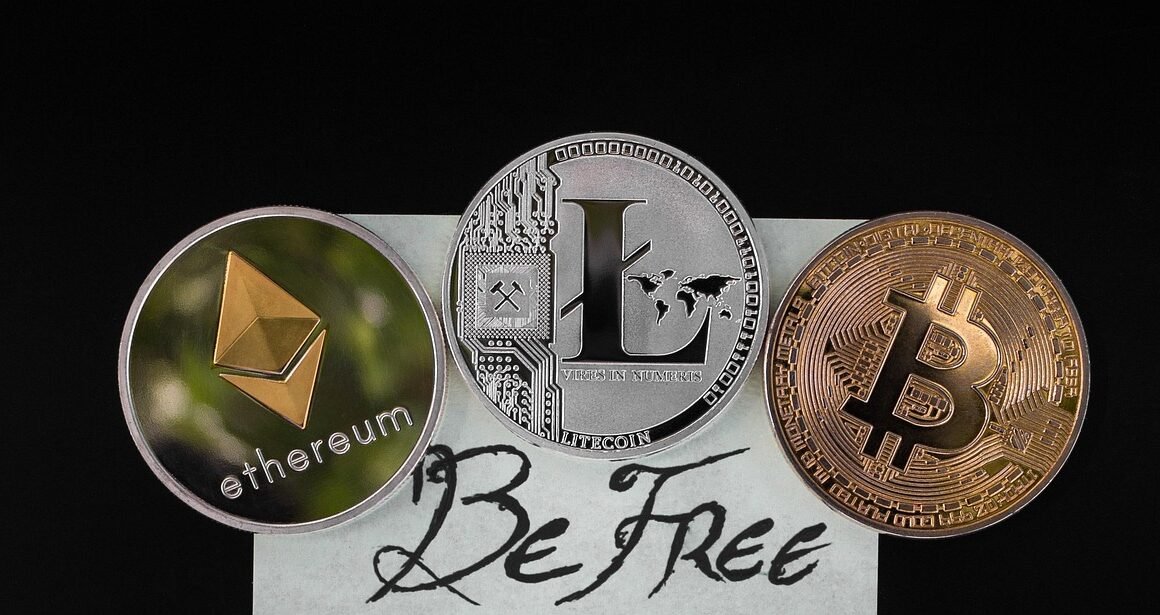
- Bitcoin (BTC): The first and most widely adopted cryptocurrency, often referred to as “digital gold.”
- Ethereum (ETH): While a cryptocurrency, Ethereum also acts as a platform for building decentralized applications (dApps) and smart contracts.
- Litecoin (LTC): An early Bitcoin alternative, often used for faster and cheaper transactions.
Stablecoins
Stablecoins are cryptocurrencies designed to minimize price volatility. They achieve this by being pegged to a stable reserve asset, such as the U.S. dollar or gold.
- Tether (USDT): Pegged to the U.S. dollar on a 1:1 basis.
- USD Coin (USDC): Another popular dollar-pegged stablecoin, known for its transparency and regulatory compliance.
- Dai (DAI): A decentralized stablecoin pegged to the U.S. dollar and managed by a smart contract on the Ethereum blockchain.
Non-Fungible Tokens (NFTs)
NFTs are unique digital assets that represent ownership of a specific item or piece of content. They are non-interchangeable, meaning each NFT is distinct and cannot be replicated.
- Digital Art: Representing ownership of digital artwork, collectibles, and other virtual creations.
- Virtual Real Estate: Land and property in metaverse environments.
- Collectibles: Rare and unique digital cards, memorabilia, and other collectibles.
* Example: CryptoPunks and Bored Ape Yacht Club are examples of popular NFT collectible projects.
Utility Tokens
Utility tokens provide access to a specific product or service on a blockchain platform. They are often used to fund projects or reward users within an ecosystem.
- Basic Attention Token (BAT): Used to reward users and publishers within the Brave browser ecosystem.
- Chainlink (LINK): Used to pay node operators for providing data to smart contracts on the Chainlink network.
- Filecoin (FIL): Used to pay for storage and retrieval on the decentralized Filecoin network.
Investing in Crypto Assets
Investing in crypto assets involves risk, but also potential for high returns. Careful research and risk management are essential.
Risks and Rewards
- High Volatility: Crypto asset prices can fluctuate significantly in short periods.
- Regulatory Uncertainty: The legal and regulatory landscape for crypto assets is still evolving.
- Security Risks: Crypto assets are susceptible to theft and hacking.
- Potential for High Returns: Early adoption and successful projects can lead to significant gains.
Due Diligence
- Research the project: Understand the technology, team, and market opportunity.
- Assess the tokenomics: Analyze the supply, distribution, and utility of the token.
- Diversify your portfolio: Don’t put all your eggs in one basket.
- Understand your risk tolerance: Only invest what you can afford to lose.
Where to Buy Crypto Assets
- Centralized Exchanges (CEXs): Binance, Coinbase, Kraken, Gemini – Offer a wide range of crypto assets and services.
- Decentralized Exchanges (DEXs): Uniswap, Sushiswap, PancakeSwap – Allow users to trade crypto assets directly without a central intermediary.
- Brokers: Robinhood, eToro – Offer a simplified interface for buying and selling crypto assets alongside traditional stocks and ETFs.
Storing and Securing Crypto Assets
Properly storing and securing your crypto assets is paramount to protecting your investment.
Types of Wallets
- Hardware Wallets: Physical devices that store your private keys offline, providing the highest level of security (e.g., Ledger, Trezor).
- Software Wallets: Applications that store your private keys on your computer or mobile device (e.g., Exodus, Trust Wallet).
- Exchange Wallets: Wallets provided by cryptocurrency exchanges. While convenient, they are generally less secure than hardware or software wallets.
- Paper Wallets: A printed document containing your public and private keys. A secure, but less convenient option.
Security Best Practices
- Use strong, unique passwords: Avoid using the same password for multiple accounts.
- Enable two-factor authentication (2FA): Adds an extra layer of security to your accounts.
- Store private keys securely: Keep your private keys offline and away from prying eyes.
- Be wary of phishing scams: Never share your private keys with anyone.
- Regularly back up your wallet: Ensure you have a backup in case your device is lost or damaged.
Conclusion
Crypto assets represent a rapidly evolving and transformative technology. While the space offers opportunities for innovation and potential financial gains, it also presents significant risks. Understanding the different types of crypto assets, conducting thorough research, and prioritizing security are crucial for navigating this complex landscape successfully. By staying informed and adopting responsible practices, you can make informed decisions and participate in the exciting world of crypto.