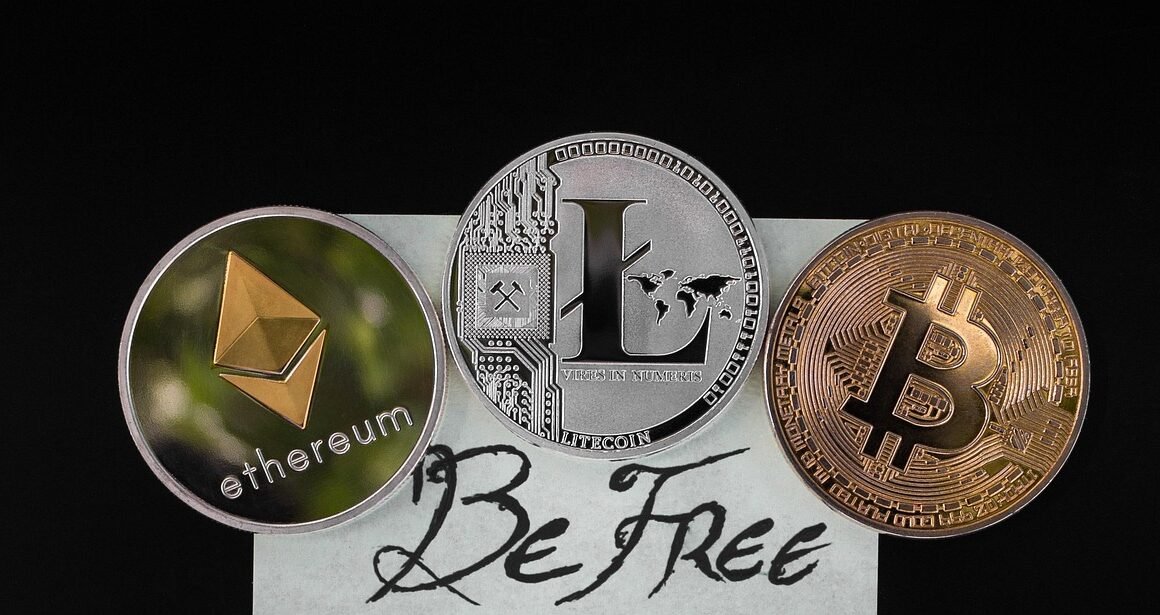
The world of cryptocurrency markets can seem like a whirlwind of numbers, jargon, and constantly shifting trends. Whether you’re a seasoned investor or just curious about Bitcoin, Ethereum, and beyond, understanding the dynamics of the crypto market is crucial for making informed decisions and navigating its inherent volatility. This guide provides a comprehensive overview of crypto markets, covering essential aspects from market analysis to risk management, empowering you to approach this exciting, yet complex, landscape with confidence.
Understanding Crypto Market Fundamentals
The crypto market operates differently from traditional financial markets. Understanding these differences is key to successful participation.
Decentralization and Blockchain Technology
- Decentralization: Unlike traditional finance controlled by central authorities, cryptocurrencies operate on decentralized networks. This means no single entity controls the currency or the underlying technology.
- Blockchain Technology: This distributed ledger technology records all transactions publicly and securely. Each “block” contains a batch of transactions, cryptographically linked to the previous block, forming a “chain.”
Example: Bitcoin uses blockchain to track all transactions, ensuring transparency and preventing fraud.
- Benefits of Decentralization and Blockchain:
Increased transparency
Enhanced security
Reduced reliance on intermediaries
Potential for lower transaction fees
Market Participants and Their Roles
The crypto market involves various participants, each playing a distinct role:
- Miners/Validators: Individuals or organizations that validate transactions and add new blocks to the blockchain. They are rewarded with cryptocurrency for their efforts.
Example: Bitcoin miners solve complex mathematical problems to validate transactions.
- Exchanges: Platforms where cryptocurrencies are bought, sold, and traded. Examples include Coinbase, Binance, and Kraken.
- Traders and Investors: Individuals and institutions that buy and sell cryptocurrencies to profit from price fluctuations or as a long-term investment.
- Developers: Individuals or teams who develop and maintain the underlying blockchain technology and build applications on top of it (dApps).
Key Market Metrics
Understanding these metrics helps gauge market health and potential investment opportunities:
- Market Capitalization: The total value of a cryptocurrency, calculated by multiplying the current price by the circulating supply of coins.
Example: If Bitcoin is trading at $50,000 and has a circulating supply of 19 million coins, its market capitalization is $950 billion.
- Trading Volume: The amount of a cryptocurrency traded over a specific period (usually 24 hours). Higher trading volume indicates greater liquidity.
- Circulating Supply: The number of coins or tokens that are currently in circulation and available for trading.
- Total Supply: The total number of coins or tokens that exist, including those not yet in circulation.
- Volatility: The degree of price fluctuation in a cryptocurrency. Crypto markets are generally more volatile than traditional markets.
Analyzing Crypto Markets: Tools and Techniques
Effective analysis is crucial for making informed decisions in the volatile crypto market.
Fundamental Analysis
- Evaluating the Underlying Technology: Assess the technology behind a cryptocurrency, its potential use cases, and its competitive advantages. Look at the whitepaper, team, and development activity.
Example: When evaluating Ethereum, consider its smart contract capabilities and its use as a platform for decentralized applications (dApps).
- Assessing Adoption and Network Effects: Evaluate how widely a cryptocurrency is being adopted and the strength of its network effects. The more users and applications built on a network, the stronger it becomes.
- Analyzing Tokenomics: Understand the economics of a cryptocurrency, including its supply, distribution, and how it is used within its ecosystem.
Example: Understanding Bitcoin’s limited supply of 21 million coins is crucial for understanding its potential as a store of value.
Technical Analysis
- Using Chart Patterns: Identify patterns on price charts to predict future price movements. Common patterns include head and shoulders, double tops and bottoms, and triangles.
- Applying Technical Indicators: Utilize technical indicators such as moving averages, Relative Strength Index (RSI), and MACD to identify potential buy and sell signals.
Example: A rising RSI above 70 might indicate an overbought condition, suggesting a potential price correction.
- Understanding Support and Resistance Levels: Identify price levels where a cryptocurrency has historically found support (buyers step in) or resistance (sellers step in).
Sentiment Analysis
- Monitoring Social Media: Track social media sentiment to gauge public opinion towards a cryptocurrency. Tools like Twitter and Reddit can provide valuable insights.
- Reading News Articles and Reports: Stay informed about the latest news and developments affecting the crypto market.
- Utilizing Sentiment Analysis Tools: Tools that analyze social media data and news articles to provide sentiment scores for different cryptocurrencies.
Navigating Crypto Market Volatility
Volatility is a hallmark of the crypto market. Managing it effectively is vital for long-term success.
Understanding the Drivers of Volatility
- Market Sentiment: Crypto prices are highly sensitive to news and social media sentiment. Positive news can drive prices up, while negative news can trigger sell-offs.
- Regulatory Uncertainty: Regulatory changes can significantly impact the crypto market. Announcements of stricter regulations can lead to price declines.
- Technological Developments: Technological breakthroughs or setbacks can also influence prices.
- Whale Activity: Large transactions by major holders (“whales”) can cause significant price swings.
Risk Management Strategies
- Diversification: Spread your investments across multiple cryptocurrencies to reduce the impact of any single asset’s performance.
- Stop-Loss Orders: Set stop-loss orders to automatically sell a cryptocurrency if it falls below a certain price, limiting potential losses.
Example: If you buy Bitcoin at $50,000, you could set a stop-loss order at $45,000 to limit your potential loss to $5,000.
- Dollar-Cost Averaging (DCA): Invest a fixed amount of money at regular intervals, regardless of the price. This helps to smooth out the impact of volatility.
- Position Sizing: Determine the appropriate amount of capital to allocate to each trade or investment based on your risk tolerance and investment goals.
- Use Leverage with Caution: While leverage can amplify profits, it can also amplify losses. Use it sparingly and only if you fully understand the risks involved.
Staying Informed and Adaptable
- Follow Reputable News Sources: Stay up-to-date with the latest crypto news and analysis from reliable sources.
- Join Crypto Communities: Engage with other crypto enthusiasts in online communities to learn and share insights.
- Continuously Learn and Adapt: The crypto market is constantly evolving. Be prepared to learn new things and adapt your strategies accordingly.
Investing in Crypto: Practical Tips and Considerations
Investing in crypto requires careful planning and a clear understanding of your goals and risk tolerance.
Setting Investment Goals
- Define Your Investment Objectives: Are you looking for short-term profits, long-term growth, or a combination of both?
- Assess Your Risk Tolerance: How much risk are you willing to take? Crypto investing can be highly risky, so only invest what you can afford to lose.
- Determine Your Investment Horizon: How long do you plan to hold your investments?
Choosing the Right Cryptocurrencies
- Research Different Cryptocurrencies: Understand the underlying technology, use cases, and potential risks of each cryptocurrency before investing.
- Consider Market Capitalization and Liquidity: Invest in cryptocurrencies with a high market capitalization and sufficient liquidity to ensure you can easily buy and sell them.
- Look for Projects with Strong Fundamentals: Focus on projects with a strong team, innovative technology, and a clear roadmap.
- Avoid Hype and FOMO: Don’t invest in cryptocurrencies based solely on hype or fear of missing out (FOMO). Do your own research and make informed decisions.
Secure Storage and Wallet Options
- Understand Different Wallet Types:
Hardware Wallets: Physical devices that store your private keys offline, providing the highest level of security. Examples include Ledger and Trezor.
Software Wallets: Applications that store your private keys on your computer or mobile device. Examples include Exodus and Trust Wallet.
Exchange Wallets: Wallets provided by cryptocurrency exchanges. While convenient, they are less secure than hardware or software wallets.
- Secure Your Private Keys: Your private keys are the keys to your crypto assets. Keep them safe and never share them with anyone.
- Enable Two-Factor Authentication (2FA): Add an extra layer of security to your exchange accounts and wallets by enabling 2FA.
- Regularly Back Up Your Wallets: Create backups of your wallets in case of hardware failure or other unforeseen events.
Conclusion
Navigating the crypto market requires a blend of understanding the fundamental principles, applying analytical techniques, managing risk effectively, and staying informed about the latest developments. While the inherent volatility presents challenges, it also offers opportunities for those who approach it with a disciplined and informed strategy. By focusing on continuous learning, responsible investing, and secure practices, you can increase your chances of success in this dynamic and evolving landscape.