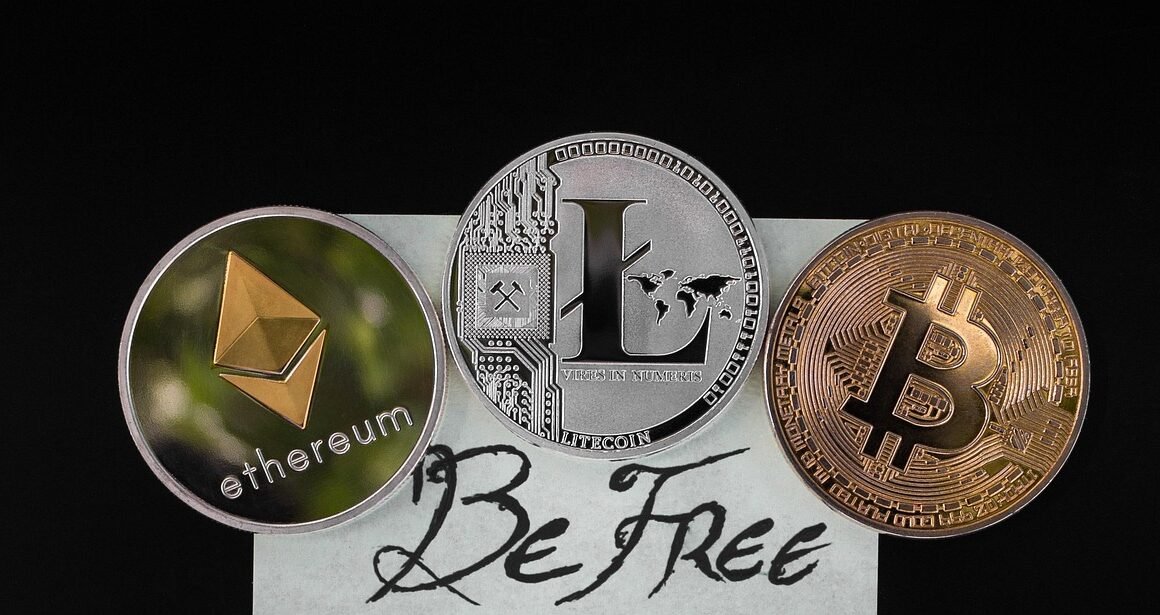
Stablecoins have rapidly evolved from a niche concept to a cornerstone of the cryptocurrency ecosystem. Their promise of price stability in the volatile world of digital assets has attracted investors, traders, and institutions seeking a reliable medium of exchange and store of value. But what exactly are stablecoins, and why are they so important? Let’s delve into the world of stablecoins to understand their mechanics, benefits, and potential risks.
What are Stablecoins?
Stablecoins are cryptocurrencies designed to maintain a stable value relative to a specific asset or basket of assets. Unlike Bitcoin or Ethereum, which are subject to significant price fluctuations, stablecoins aim to minimize volatility, making them suitable for everyday transactions, cross-border payments, and DeFi applications.
How Do Stablecoins Work?
The key to a stablecoin’s stability lies in its mechanism for maintaining its peg. This mechanism varies depending on the type of stablecoin:
- Fiat-Collateralized: These stablecoins are backed by reserves of fiat currencies like the US dollar or the Euro held in traditional financial institutions. Each stablecoin represents a claim on a corresponding amount of the underlying fiat currency. For example, Tether (USDT) and USD Coin (USDC) are prominent examples.
Example: For every USDT in circulation, Tether Limited claims to hold an equivalent amount of USD in reserve. This allows users to redeem USDT for USD, maintaining its peg.
- Crypto-Collateralized: These stablecoins are backed by other cryptocurrencies. Since cryptocurrencies are volatile, crypto-collateralized stablecoins are often over-collateralized, meaning that more cryptocurrency is held in reserve than the value of the stablecoins issued. DAI is a well-known example.
Example: DAI is collateralized by Ethereum and other cryptocurrencies locked in smart contracts on the MakerDAO platform. Users can lock up their ETH to mint DAI, with the amount of ETH required exceeding the value of DAI to account for price fluctuations.
- Algorithmic Stablecoins: These stablecoins rely on algorithms and smart contracts to maintain their peg. They don’t rely on traditional collateral but use mechanisms like seigniorage and token burning to adjust the supply and maintain price stability. However, they have proven to be more fragile.
Example: An algorithmic stablecoin might increase its supply when its price is above its target peg and decrease its supply when its price is below its target peg. This dynamic supply adjustment aims to keep the price stable.
Benefits of Using Stablecoins
Stablecoins offer several advantages over traditional cryptocurrencies and fiat currencies:
- Price Stability: The primary benefit is reduced volatility, making them suitable for payments, remittances, and as a safe haven during market downturns.
- Fast and Low-Cost Transactions: Stablecoins can be transferred quickly and at relatively low cost compared to traditional banking systems, especially for international transactions.
- Accessibility: Stablecoins provide access to financial services for individuals who may be unbanked or underbanked, especially in regions with limited access to traditional banking infrastructure.
- Integration with DeFi: Stablecoins are essential for decentralized finance (DeFi) applications, providing liquidity and stability for lending, borrowing, and trading platforms.
Types of Stablecoins
Understanding the different types of stablecoins is crucial for assessing their risks and potential benefits.
Fiat-Collateralized Stablecoins
Fiat-collateralized stablecoins are the most common type of stablecoin. They are backed by reserves of fiat currencies held in traditional banking institutions or custodians.
- Examples:
Tether (USDT): The most widely used stablecoin, pegged to the US dollar. It’s available on various blockchains, including Ethereum, Tron, and Binance Smart Chain.
USD Coin (USDC): Issued by Circle and Coinbase, USDC is known for its transparency and regulatory compliance. It is also pegged to the US dollar.
Crypto-Collateralized Stablecoins
Crypto-collateralized stablecoins are backed by other cryptocurrencies. These stablecoins are typically over-collateralized to account for the price volatility of the underlying crypto assets.
- Examples:
DAI: A decentralized stablecoin issued by MakerDAO. It is collateralized by ETH and other cryptocurrencies.
RAI: A stablecoin collateralized only by ETH, but not pegged to any specific currency. Its price is determined algorithmically, aiming to minimize volatility.
Algorithmic Stablecoins
Algorithmic stablecoins use algorithms and smart contracts to maintain their peg without relying on traditional collateral. They adjust the supply of the stablecoin to maintain price stability.
- Examples:
TerraUSD (UST): Formerly a prominent algorithmic stablecoin, UST collapsed in May 2022, highlighting the risks associated with this type of stablecoin. Its value was linked to the Luna token through complex algorithmic mechanisms.
* Ampleforth (AMPL): An elastic supply cryptocurrency that adjusts its supply daily based on demand. While not strictly a stablecoin, it aims to stabilize purchasing power rather than price.
The Role of Stablecoins in the Crypto Ecosystem
Stablecoins play a vital role in various aspects of the cryptocurrency ecosystem.
DeFi Applications
Stablecoins are essential for decentralized finance (DeFi) applications. They provide stability for lending, borrowing, and trading platforms.
- Lending and Borrowing: Stablecoins allow users to lend and borrow assets without exposure to significant price volatility. Platforms like Aave and Compound rely on stablecoins for these activities.
- Yield Farming: Stablecoins are often used in yield farming strategies, where users earn rewards by providing liquidity to DeFi protocols.
- Decentralized Exchanges (DEXs): Stablecoins provide liquidity for trading pairs on DEXs, allowing users to exchange different cryptocurrencies seamlessly.
Cross-Border Payments
Stablecoins offer a faster and cheaper alternative to traditional cross-border payment systems.
- Remittances: Stablecoins can be used to send money internationally with lower fees and faster transaction times compared to traditional remittance services.
- Business Transactions: Businesses can use stablecoins to make international payments to suppliers and partners more efficiently.
Trading and Investment
Stablecoins are used by traders and investors as a safe haven during market downturns.
- Hedging: Traders can convert their cryptocurrency holdings into stablecoins to protect against price volatility.
- Market Entry/Exit: Stablecoins allow traders to quickly enter and exit the market without having to convert to fiat currency.
Risks and Challenges of Stablecoins
While stablecoins offer numerous benefits, they also come with risks and challenges that need to be considered.
Regulatory Uncertainty
The regulatory landscape for stablecoins is still evolving, and there is uncertainty about how they will be regulated in the future.
- Jurisdictional Differences: Different countries have different approaches to regulating stablecoins, creating complexity for stablecoin issuers.
- Potential for Regulation: Increased regulation could impact the operations of stablecoin issuers and the availability of stablecoins.
Counterparty Risk
Fiat-collateralized stablecoins are subject to counterparty risk, which is the risk that the issuer may not be able to redeem the stablecoins for fiat currency.
- Transparency: Lack of transparency about the reserves backing stablecoins can increase counterparty risk.
- Audit Issues: Concerns about the accuracy and reliability of audits of stablecoin reserves can also contribute to counterparty risk.
Decentralization Concerns
Some stablecoins are more centralized than others, which can raise concerns about censorship and control.
- Centralized Issuers: Centralized stablecoin issuers have the ability to freeze accounts and blacklist addresses.
- Lack of Transparency: Lack of transparency about the governance and decision-making processes of stablecoin issuers can also be a concern.
Algorithmic Stablecoin Instability
The collapse of TerraUSD (UST) highlighted the risks associated with algorithmic stablecoins.
- De-pegging Risk: Algorithmic stablecoins can be vulnerable to de-pegging, where the price of the stablecoin deviates significantly from its target peg.
- Run on the Bank: A loss of confidence in an algorithmic stablecoin can lead to a “run on the bank,” where users rush to redeem their stablecoins, causing a price collapse.
Conclusion
Stablecoins represent a significant innovation in the cryptocurrency space, offering a blend of the benefits of digital assets with the stability of traditional currencies. While risks remain, the growing adoption and increasing regulatory scrutiny suggest that stablecoins are poised to play an even more prominent role in the future of finance. As the technology matures and regulatory frameworks develop, stablecoins have the potential to revolutionize payments, remittances, and financial services globally. It is important for users to understand the different types of stablecoins, their mechanisms, and their associated risks to make informed decisions about their use.