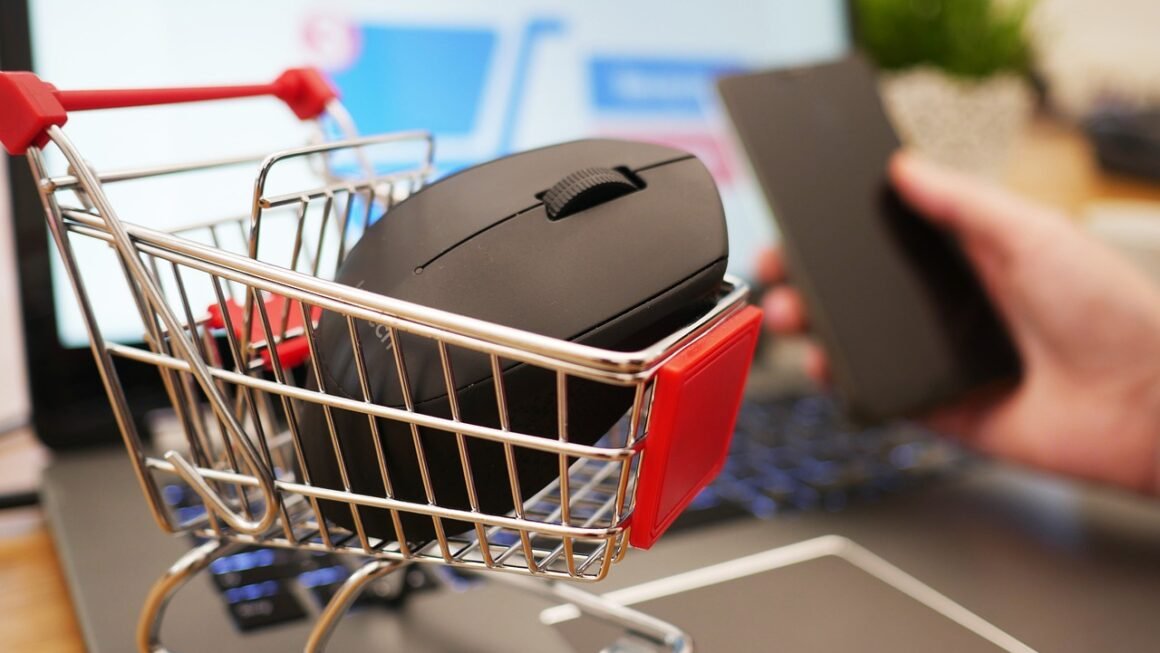
Cross-selling. It’s a simple concept, yet a powerful tool that can significantly boost your revenue and strengthen customer relationships. In today’s competitive market, simply selling a product isn’t enough. Businesses need to maximize each customer interaction to its fullest potential. This is where cross-selling comes in. By strategically suggesting complementary products or services, you can not only increase the average order value but also provide enhanced value to your customers, leading to greater satisfaction and loyalty.
Understanding Cross-Selling: The Art of the Suggestion
Cross-selling is a sales technique used to encourage a customer to purchase related or complementary items in addition to their initial purchase. It’s about understanding customer needs and suggesting relevant items that enhance their experience or solve related problems. Unlike upselling, which focuses on selling a more expensive version of the same product, cross-selling targets additional products.
What is Cross-Selling?
- Cross-selling involves recommending products that complement the customer’s initial purchase.
- It aims to increase the value of a single transaction by offering relevant add-ons.
- It’s about providing value and solving customer problems beyond their initial need.
Cross-Selling vs. Upselling
- Cross-selling: Recommending complementary products or services (e.g., buying a phone case when buying a phone).
- Upselling: Encouraging customers to purchase a higher-end version of the same product (e.g., buying a premium phone model instead of the standard model).
- Both are valuable sales strategies, but they serve different purposes in enhancing revenue and customer satisfaction.
Why is Cross-Selling Important?
- Increased Revenue: It increases the average order value and overall sales revenue.
- Enhanced Customer Experience: Suggesting relevant products can improve customer satisfaction by addressing related needs.
- Stronger Customer Relationships: Showing customers that you understand their needs builds trust and loyalty.
- Improved Customer Lifetime Value: Customers who buy more products are more likely to remain loyal and make repeat purchases.
- Cost-Effective Sales: It’s often easier to sell to an existing customer than to acquire a new one.
Developing a Cross-Selling Strategy
A successful cross-selling strategy requires careful planning and execution. You can’t just randomly suggest products; you need to understand your customer’s needs and offer relevant solutions.
Know Your Products and Your Customers
- Product Knowledge: Have a deep understanding of your product catalog and how different items complement each other. Identify logical pairings of products.
- Customer Segmentation: Understand different customer segments and their unique needs. Tailor your cross-selling suggestions based on demographics, purchase history, and browsing behavior.
- Data Analysis: Analyze past sales data to identify common product pairings and customer preferences.
Identify Relevant Product Combinations
- Create a Matrix: Develop a cross-selling matrix that maps products to potential add-ons. For example, if a customer buys a printer, potential cross-sells could include ink cartridges, paper, or a printer cable.
- Think Holistically: Consider how products work together and how they can enhance the customer’s experience. For example, if a customer buys a camera, you might suggest a memory card, camera bag, or lens cleaning kit.
- Focus on Value: The suggested products should provide genuine value to the customer. Avoid suggesting irrelevant items simply to increase the order value.
Implement Cross-Selling Techniques
- Website Recommendations: Use “Frequently Bought Together” or “Customers Who Bought This Item Also Bought” sections on your website.
- Email Marketing: Include personalized cross-selling suggestions in your order confirmation emails or promotional newsletters. Example: “Thank you for your recent purchase of our coffee maker! Don’t forget to check out our selection of premium coffee beans and filters to enhance your brewing experience.”
- In-Store Recommendations: Train your sales staff to identify cross-selling opportunities during customer interactions.
- Bundling: Create product bundles that offer a discount when customers purchase related items together.
Best Practices for Effective Cross-Selling
Even with a well-defined strategy, successful cross-selling requires adherence to best practices to ensure positive customer experiences and optimal results.
Personalization is Key
- Tailor Recommendations: Avoid generic suggestions. Instead, personalize your recommendations based on individual customer behavior and purchase history.
- Use Customer Data: Leverage customer data to understand their preferences and needs.
- Dynamic Content: Use dynamic content on your website and in your emails to display relevant product suggestions.
Timing is Everything
- Strategic Placement: Place cross-selling suggestions at the right points in the customer journey. For example, after a customer adds an item to their cart, suggest related accessories.
- Post-Purchase Offers: Use post-purchase emails to suggest complementary products that can enhance the customer’s initial purchase.
- Avoid Overwhelming Customers: Don’t bombard customers with too many suggestions at once. Focus on a few relevant items.
Focus on Customer Value
- Solve Problems: Suggest products that solve related problems or enhance the customer’s experience.
- Provide Information: Clearly explain the benefits of the suggested products and how they complement the customer’s initial purchase.
- Transparency: Be transparent about pricing and any potential discounts or promotions.
Monitor and Optimize
- Track Results: Monitor the performance of your cross-selling efforts by tracking key metrics such as conversion rates, average order value, and revenue.
- A/B Testing: Conduct A/B tests to experiment with different cross-selling techniques and product combinations.
- Gather Feedback: Collect customer feedback on your cross-selling suggestions and use it to improve your strategy.
Examples of Successful Cross-Selling
Looking at how successful businesses implement cross-selling can provide valuable insights and inspiration.
Amazon
- “Frequently Bought Together”: Amazon prominently displays “Frequently Bought Together” sections on product pages, suggesting items that are often purchased together. For example, when viewing a laptop, Amazon might suggest a laptop bag, mouse, and screen protector.
- “Customers Who Bought This Item Also Bought”: This section showcases other products that customers who purchased the current item have also purchased.
Sephora
- Product Recommendations: Sephora suggests complementary products based on the items in your shopping cart. For instance, when you add a foundation to your cart, Sephora might suggest a concealer, brush, and setting powder.
- Beauty Bundles: They create curated beauty bundles that include a combination of related products, offering a discount when purchased together.
Apple
- Accessories: When purchasing an iPhone, Apple suggests accessories such as AirPods, a protective case, and a charger.
- AppleCare+: They offer AppleCare+ as a cross-sell, providing extended warranty coverage and support.
Conclusion
Cross-selling is more than just a sales tactic; it’s a strategy that can significantly enhance your business’s revenue, customer satisfaction, and long-term growth. By understanding your products, knowing your customers, and implementing best practices, you can effectively leverage cross-selling to provide greater value, build stronger relationships, and ultimately drive success. Embrace the art of the suggestion, and watch your business thrive.